Built because we needed it.
The Guild wasn’t born in a conference room. It was built in the middle of our association’s busiest time of year, because the software we depended on had failed us and we needed a solution—fast.
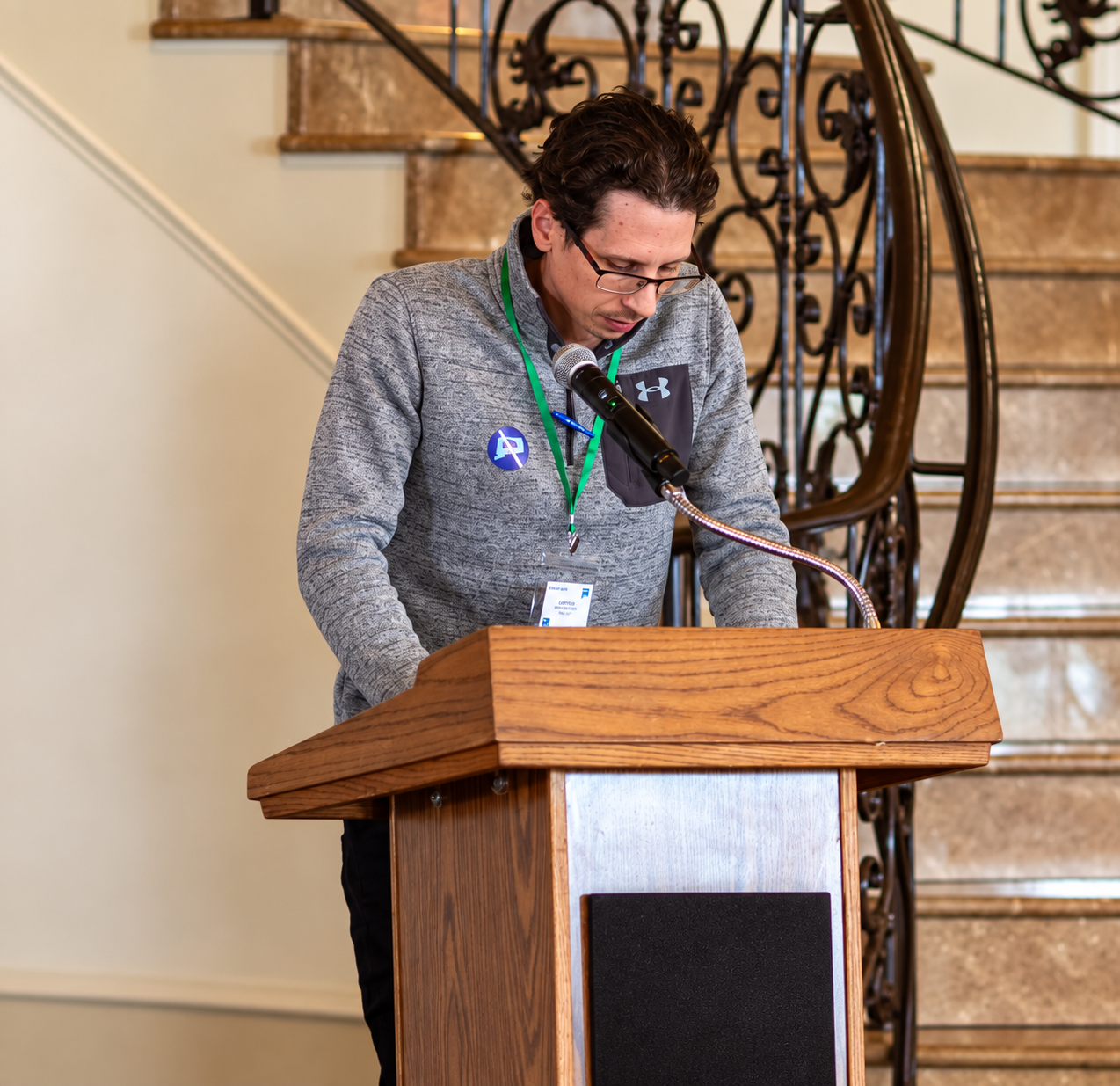
I was president of the Connecticut Pest Control Association, and we were heading into our biggest event of the year. Registrations, payments, member records, communications—everything needed to work.
It didn’t.
We were using Neon, and after fighting with a system that wasn’t working for us, I made a decision that was honestly a little crazy: we shut down event registrations for about a month while I built a bare-bones association management system to get us back in the game.
We didn’t have six months for a software implementation.
We needed something that worked now.
So I built it.
That bare-bones system became The Guild.
And then came the real test: we used it.
Our fall training seminar went on to have strong member turnout and became the highest-grossing event in our association’s history.
The software that started as an emergency solution had just run our biggest event.
And that’s when I realized we might have built something other associations needed too.
We fixed the problems we were actually having.
The Guild didn’t start with a feature checklist.
It grew out of real problems we encountered while running an association.
Getting paid shouldn’t be an adventure.
Before The Guild, we’d had an experience with WildApricot where a substantial amount of our association’s money was held for months before it was ultimately released.
That’s not an abstract software complaint when you’re running a small association. That’s your money.
So when we built Guild Payments, getting associations paid quickly and making it easy to understand where their money stands mattered to us.
We weren’t designing a theoretical payment workflow.
We were building the one we wished we’d had.
Registration should be easy for everyone.
For our fall seminar, we needed members and non-members to be able to register without figuring out our organizational structure first.
So that’s how The Guild works.
Members can register. Guests can register. Companies can register their people. Administrators can step in when somebody needs help.
The technology gets out of the way.
And then hundreds of people showed up.
Registration is only half the job.
Eventually all those people walk through the front door at the same time.
We used The Guild’s event check-in system to move hundreds of attendees through registration and into the seminar without turning the entrance into chaos.
Those check-in tools weren’t designed because somebody put “Event Check-In Module” on a SaaS roadmap.
We built them because we had hundreds of people coming to an event and needed to get them through the damn door.
Your board shouldn’t need a financial scavenger hunt.
Running the event was one thing. Reporting on it—and the association’s finances as a whole—was another.
Preparing financials for a board meeting meant pulling information from different places, reconciling numbers, figuring out what belonged where, and turning it all into something the board could actually understand.
It was a financial scavenger hunt.
So we built Executive Financial Reports.
Now, instead of spending hours assembling reports every month, the financial side of board prep can take about 10 minutes. The Guild pulls everything together and produces the reports your board is waiting for—revenue, expenses, cash position, accounts receivable, event performance, and the other numbers you need to explain where the association stands.
What used to be a monthly project became a monthly task.
That’s exactly what The Guild is supposed to do.
Not give you another system to manage.
Give you your time back.
That’s how we still build The Guild.
Membership. Billing. Events. Communications. Payments. Donations. Reporting. Member access.
Nearly every part of The Guild comes back to the same question:
“If I were sitting in the association office trying to get this done, how would I want this to work?”
Because I’ve sat in that chair.
I’ve dealt with the software.
I’ve planned the events.
I’ve chased down payments.
I’ve dealt with member records.
I’ve tried to figure out why something that should take two minutes takes twenty.
And when the software we had wasn’t good enough, I did something about it.
That’s The Guild.
Why “The Guild”?
The name wasn’t chosen because it sounded good on a software company.
It describes what an association is supposed to be.
For centuries, a guild was an organization of people connected by a common profession or trade. Its members came together to exchange knowledge, conduct business, establish standards, train the next generation, represent their shared interests, and support one another.
And they had a place to do it.
The guildhall was where the profession came together.
It was a place to meet. To organize. To learn. To conduct business. To settle issues. To strengthen the profession and the people who belonged to it.
Technology has changed quite a bit since then.
The idea really hasn’t.
Today’s trade and professional associations still bring people together around a shared industry. They educate. They advocate. They create relationships. They organize events. They establish standards. They help businesses and professionals become better at what they do.
We just needed a modern place to do all of that.
That’s why we called it The Guild.
Not because we’re trying to reinvent what associations are.
Because we’re building a better place for them to do what they’ve always done.
Built from the association side of the desk.
Try The Guild free for 30 days. No credit card required.